
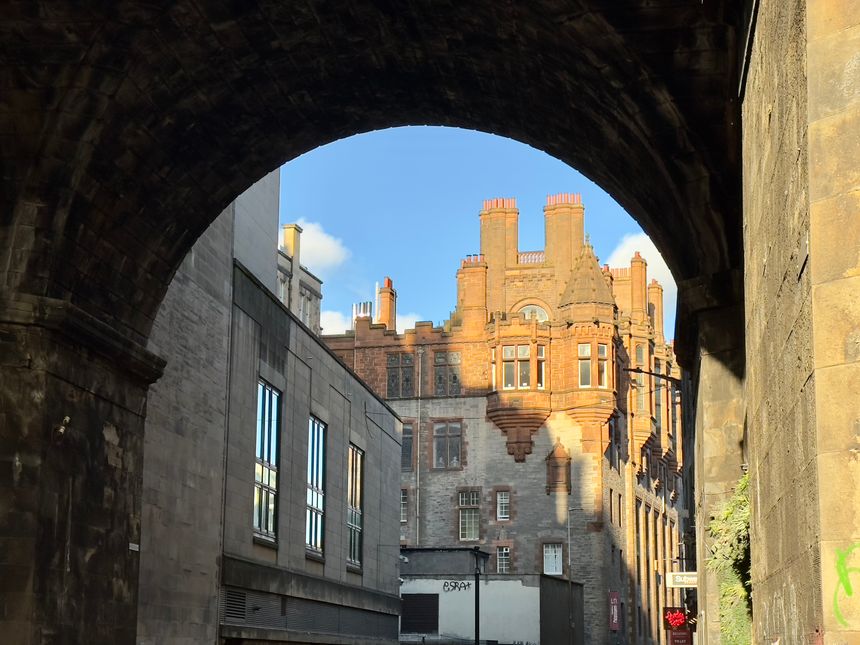
Buildings known or recognised for their special architectural or historic interest can be added to the National Heritage List for England, being “Listed”.
Understanding protected characteristics
The issues encountered with Listed Buildings stem from the protection of those special or historical characteristics. For building works to Listed Buildings, or in the curtilage of them, consent will be needed to demolish, alter or extend the building. Where the protected characteristics are not going to be affected by the works, Listed Building consent may not be required. Making this distinction can be tricky, it is a question of fact but there is the potential for disagreement between a property owner and the local planning authority (or English Heritage). Where there is disagreement, this can leave an owner open to penalties if works are carried out without consent.
Protected characteristics could encompass the entire building and everything in its curtilage, or it could be more specific such as protecting a specific wall or an original fireplace. I have seen one listing that paid special attention to a doorknocker.
Planning controls and consent requirements
It is important to consider that under the planning regime, Permitted Development Rights may not apply, or may not apply in full, to Listed Buildings. It is important to check if an Article 4 Direction has also been made to curtail or remove Permitted Development Rights in a locality before beginning any works as they may not have deemed planning permission. You should check if you need planning permission before undertaking any works to any building.
It is worth noting that the legal avenues for application, appeal and enforcement for Listed Building Consent and Planning Permission are different. Do not get caught out by only obtaining one when you needed both! If in doubt, we can help!
Enforcement risks and consequences
Where Listed Building Consent is refused, or not obtained, and works begin then the local planning authority could prosecute! It is a criminal offence to breach the terms of the Listing and to damage or alter a protected characteristic. Other options include issuing Listed Building Enforcement Notices or Temporary Stop Notice. An application to the courts could even be made for an injunction which carries costs and other enforcement considerations.
An Enforcement Notice could require remediation of the alterations or to mitigate the works, protecting or trying to protect the protected characteristics. A Temporary Stop Notice is an order requiring works halt for a temporary period while the local planning authority investigates and considers its options.
Why early advice matters
The moral of the story is that while these Listed Buildings can be beautiful with rich and fascinating histories and can continue to play important cultural roles – they can be incredibly expensive to maintain and come with a host of procedural and legal considerations other properties do not have to deal with.
By taking the right advice before purchasing or beginning works, you can save a lot of time, money and stress. Our experts at SE Solicitors can help you navigate this so if in doubt, please get in touch here.

Recent posts by Joshua Kingston
Share this



/Passle/60d59e96e5416a116451a194/SearchServiceImages/2026-07-23-14-30-27-041-6a622583f739d4b296a6b8e9.jpg)
/Passle/60d59e96e5416a116451a194/SearchServiceImages/2026-07-22-08-07-45-577-6a607a51ba22be82bd8e1526.jpg)
/Passle/60d59e96e5416a116451a194/MediaLibrary/Images/2026-07-13-14-12-10-559-6a54f23a9d446f987f76142d.jpg)